An electrocardiogram (ECG or EKG) is a simple, painless test that records the electrical activity of your heart. It is often the first test done when heart problems are suspected.
What Does an ECG Measure?
An ECG records:
- Heart rate: How fast your heart is beating
- Heart rhythm: Whether your heartbeat is steady or irregular
- Electrical conduction: How well signals travel through the heart
- Heart chamber size: Signs of enlarged chambers
- Previous heart attacks: Evidence of old or ongoing damage
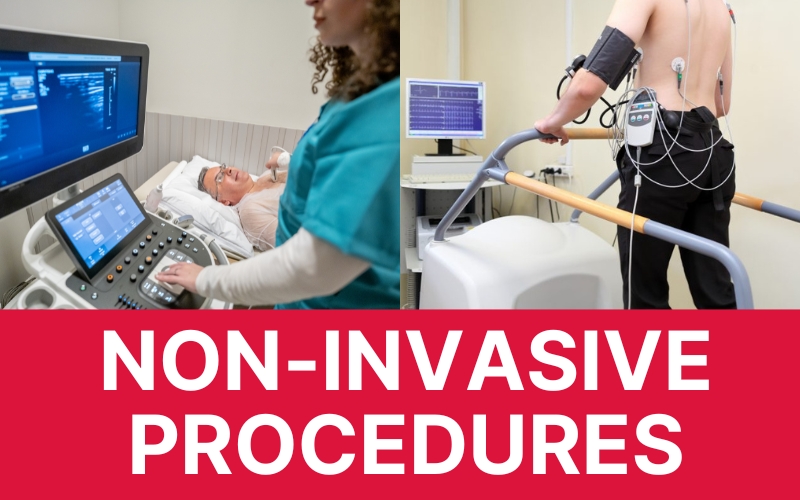
Types of ECG Tests
Resting ECG: Done while lying still for a few seconds.
Stress ECG (TMT): Done while walking on a treadmill to see how your heart responds to exercise.
Holter Monitor: A portable ECG worn for 24-48 hours to catch intermittent arrhythmias.
When Should You Get an ECG?
You should get an ECG if you experience chest pain, palpitations, dizziness, shortness of breath, or have risk factors like high blood pressure, diabetes, or family history of heart disease.
Dr. Deebanshu Gupta offers comprehensive non-invasive cardiac testing at Sarvodya Hospital, Jalandhar.

No comments yet. Be the first to share your thoughts!