A pacemaker is a small device placed in the chest to help control abnormal heart rhythms. It uses electrical pulses to prompt the heart to beat at a normal rate.
When Is a Pacemaker Needed?
A pacemaker may be recommended when the hearts natural electrical system is not functioning properly:
- Bradycardia: Heart beats too slowly (less than 60 bpm)
- Heart block: Electrical signals are delayed or blocked
- Sick sinus syndrome: The sinus node does not work properly
- After a heart attack: If the hearts conduction system is damaged
The Implantation Procedure
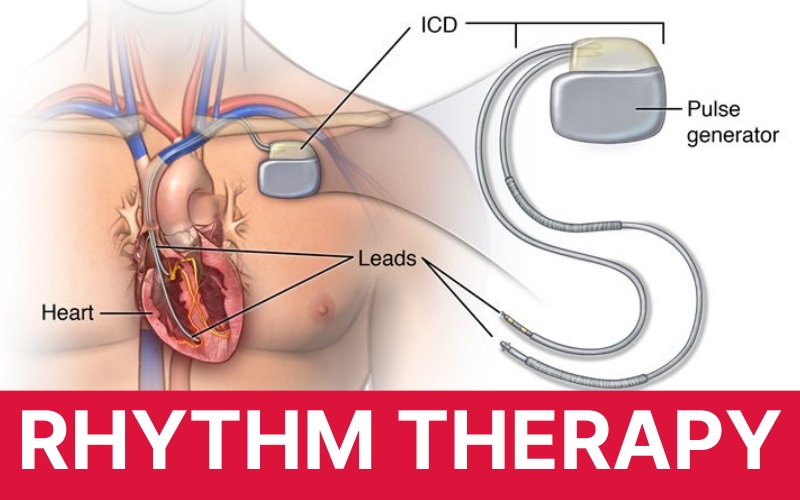
Pacemaker implantation is a minor surgical procedure that typically takes 1-2 hours. It is usually done under local anesthesia. The device is placed under the skin near the collarbone, and thin wires (leads) are threaded through veins into the heart.
Living With a Pacemaker
Most patients can return to normal activities within a few weeks. Modern pacemakers are MRI-compatible and have a battery life of 8-15 years.
Dr. Deebanshu Gupta is an expert in pacemaker implantation. Consult for an evaluation today.

No comments yet. Be the first to share your thoughts!